
Thoughtful design. Responsible engineering.
An elevator is a coordinated mechanical, electrical, structural and control system. It has to fit the application, the building and the applicable safety requirements.
01
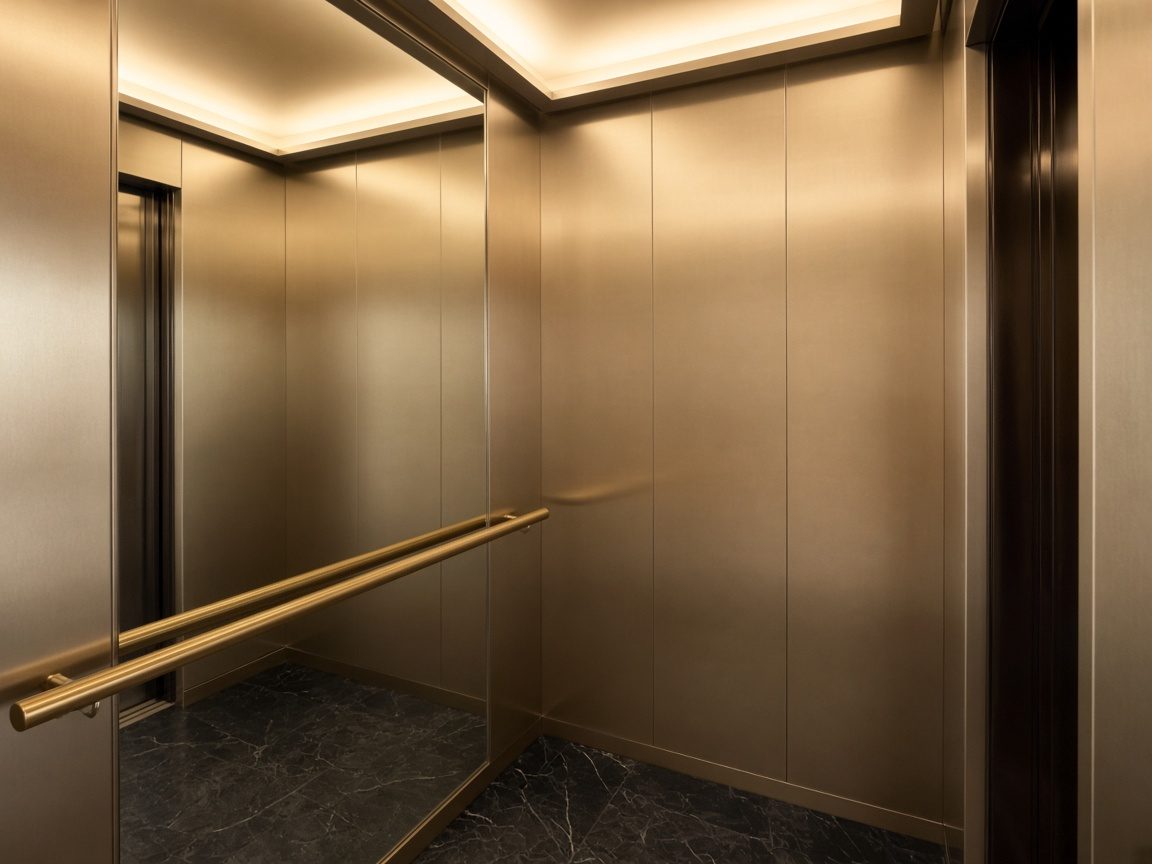
Cabin design and finishes
Stainless steel, mirror and decorative panels, glass and panoramic concepts, selected metallic finishes, flooring, ceiling, lighting, handrails and control panels. Availability depends on the model, the supplier and the approved specification.
02
Drive system and configuration
Selected for travel, capacity, usage, space and performance. A project may use traction, hydraulic, machine-room-less, rope-drive or belt-drive equipment where that option is offered and the assessment supports it.
03
Safety by design
The right equipment, correct installation, testing, inspection and maintenance. Depending on the approved system, provisions may include door interlocks and door protection, overload detection where provided, movement protection, emergency communication, emergency lighting, rescue arrangements, accurate levelling, and braking and control protections. Confirm features against the approved documents.
04
Quality-focused installation
Coordination with the construction team: site readiness, dimensions, power and structure, the approved installation procedure, required tests, and a documented handover.
05
Maintenance and long-term care
Routine maintenance finds wear and keeps equipment in line with the manufacturer and the regulations. Owners should keep to the schedule, report unusual operation promptly, and use qualified people.
06
Built around the site
Before a design is confirmed: shaft dimensions, pit and overhead, structure, electrical supply, entrance locations and access for maintenance.
Want to understand the right technical configuration for your building?
Speak to our technical team